Historic Home Wallpaper Services
Preserving the past while beautifying your space
Service Overview
The Greater Boston area is renowned for its beautiful historic architecture. However, Victorian brownstones in Boston, colonial revivals in Cambridge, and historic mill houses in Lowell present unique challenges when it comes to wallcoverings. Century-old horsehair plaster, uneven surfaces, and layers of old paint require a delicate, specialized touch.
Boston Wallpaper Hanger brings a preservation mindset to every historic project. We don't just cover up problems; we carefully restore the integrity of the wall surface before applying modern or reproduction period wallpapers. What's included in our historic home service:
- Comprehensive assessment of existing plaster conditions
- Careful removal of historical wallpaper layers (if requested)
- Expert plaster patching, skim coating, and smoothing
- Application of specialized stabilizing and mold-resistant primers
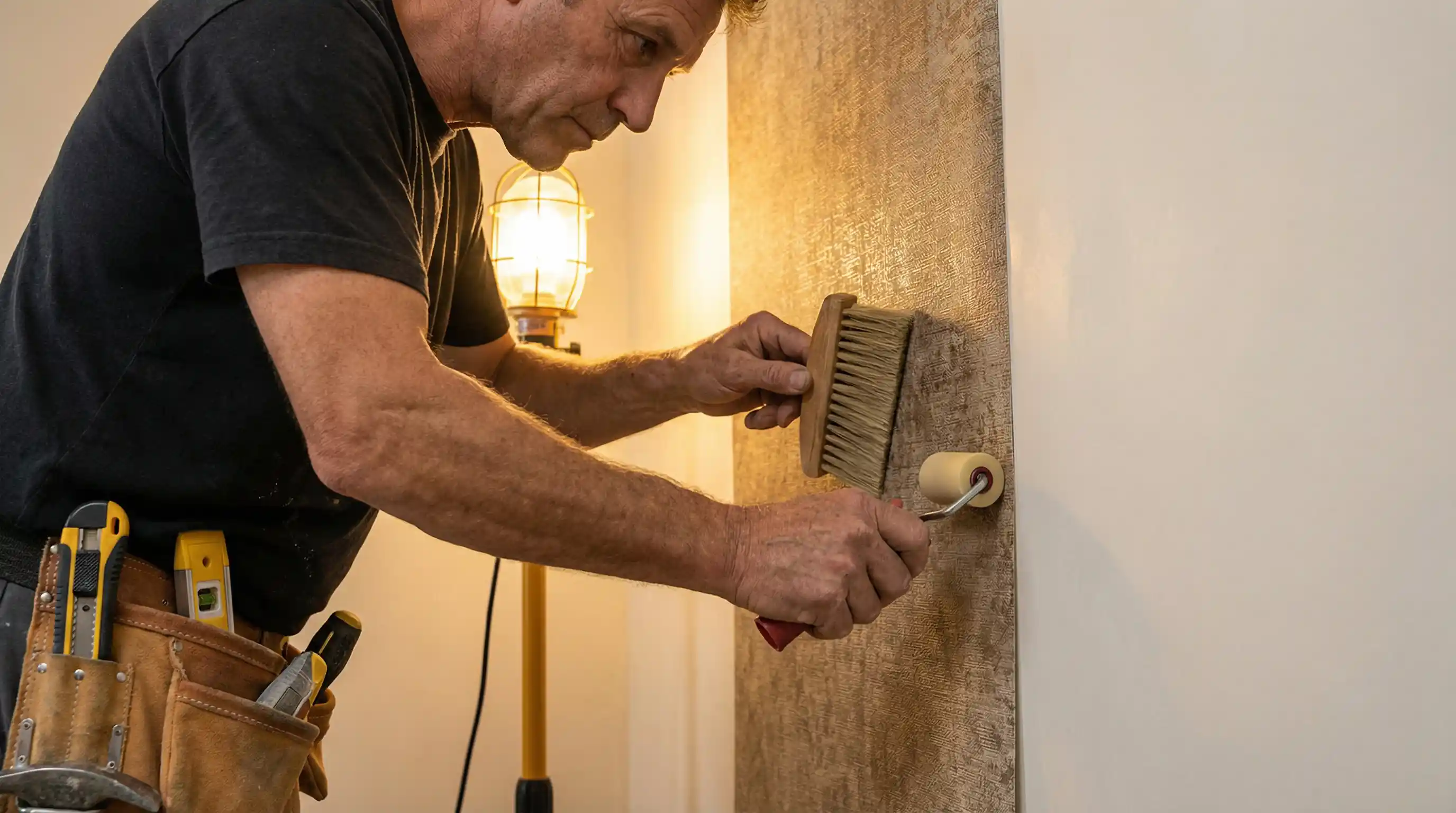
- Precision hanging of reproduction, vintage, or modern papers
Our Process
Working with older walls requires patience and specific restorative techniques to ensure the new wallpaper adheres perfectly and lasts for decades.
- Structural Assessment: We evaluate the walls for crumbling plaster, moisture damage, or calcification that could compromise the installation.
- Gentle Remediation: We carefully remove loose material and old, failing wallpaper without causing further damage to the fragile lath and plaster beneath.
- Plaster Smoothing: We use specialized joint compounds to patch cracks and skim coat uneven surfaces, creating a modern, flat canvas on a historic wall.
- Stabilizing & Priming: We apply penetrating sealers to bind old, chalky surfaces, followed by high-adhesion, mold-resistant primers.
- Lining Paper Application: For severely damaged walls, we may install a cross-lined blank stock (lining paper) to bridge minor imperfections and absorb tension.
- Final Installation: The decorative wallpaper is hung using pH-neutral pastes that won't react with older building materials.
Materials & Surfaces
Historic homes often utilize specific materials to maintain their period-accurate aesthetic. We are experienced in handling:
- Reproduction Block-Printed Papers: Authentic period designs that often lack modern protective coatings and require extremely delicate handling.
- Lincrusta & Anaglypta: Heavily embossed, historically accurate wallcoverings that require specific soaking times and heavy-duty clay adhesives.
- Un-trimmed Hand-Printed Papers: High-end historic reproductions that must be hand-trimmed on site using a straight edge and fresh blades for every cut.
- Mold-Resistant Primers: Essential for older homes (especially in areas like Lowell and coastal towns) where latent moisture in old plaster can be an issue.
Specialized Historic Techniques
We approach historic homes with a preservation mindset, ensuring our work protects rather than damages the structure.
Preservation Mindset
We understand the value of original architectural details. We carefully cut around intricate crown moldings, original wainscoting, and antique built-ins without causing damage.
Plaster Wall Smoothing
Old plaster settles and cracks. Our extensive skim-coating process effectively modernizes the surface texture, ensuring the wallpaper lays perfectly flat without telegraphing imperfections.
Lining Paper Systems
For walls that cannot be perfectly smoothed, we install a layer of blank lining paper horizontally. This creates a new, uniform surface and prevents the decorative paper's seams from opening.
Pricing Factors
Working on older homes is highly labor-intensive. Pricing for historic projects is primarily driven by the condition of the walls:
- Extent of Wall Repair: The amount of skim coating, plaster repair, and sanding required is the largest variable in historic pricing.
- Need for Lining Paper: If a bridging liner is required before the final paper, it essentially doubles the installation labor.
- Material Complexity: Hand-trimmed, untrimmed, or delicate reproduction papers require significantly more time to install than modern pre-trimmed rolls.
- Architectural Details: Navigating around complex radiators, antique sconces, and intricate moldings requires slower, more precise cutting.
Timeline & Prep Checklist
Historic restorations take time. Here is how to prepare for our arrival:
- Timeline: Expect historic projects to take 2-3 times longer than standard installations due to the extensive drying times required for plaster patches and specialized primers.
- Dust Preparation: Plaster repair generates fine dust. While we use HEPA vacuums and seal off rooms, we recommend removing sensitive items from adjacent areas.
- Climate Control: Older homes can be drafty. Ensure the room maintains a consistent temperature (around 68-72°F) for several days before and after installation to prevent the paper from shrinking.
Why Choose Us for Historic Homes?
Deep Local Knowledge
We know Boston's housing stock. From Back Bay brownstones to Cambridge Victorians, we know exactly what's behind your walls and how to treat it.
Patience and Precision
You cannot rush historic restoration. We take the necessary time to let compounds dry, primers cure, and papers relax, ensuring a finish that honors the home.
Modern Chemistry, Classic Look
We use advanced, modern primers and sealers that protect the wall and the wallpaper, ensuring your period-accurate design lasts for decades.
Historic Areas We Serve
We frequently work in neighborhoods known for their historic architecture, including:
Historic Home FAQ
It depends on the condition. If the plaster is solid, yes, after proper priming. If it is crumbling or calcified, we must first stabilize it, patch it, or install a lining paper to create a secure surface.
Lining paper is a blank, heavy-duty paper hung horizontally across the wall before the decorative wallpaper is applied. It bridges minor cracks in old plaster, absorbs tension as the decorative paper dries, and prevents seams from splitting.
Yes, but preparation is key. We offer extensive skim-coating services to level out the walls as much as possible. For severely bowed walls, we may recommend a busy pattern that helps disguise the architectural imperfections.
Yes. Old plaster can be highly alkaline or harbor latent moisture. We use specific penetrating sealers and mold-resistant primers (especially important in older homes in Lowell or Cambridge) to protect the new wallpaper.
Yes, but it is a delicate process. Old wallpaper was often hung with wheat paste directly onto unprimed plaster. We use steam and gentle enzymatic strippers to remove it without gouging the soft plaster underneath.
Often, yes. Many authentic reproductions are hand-printed, un-trimmed, and lack modern vinyl coatings. They require hand-trimming on site, specific pH-neutral pastes, and extreme care to avoid smudging the ink.
We take cleanliness very seriously. We use HEPA-filtered sanders, seal off doorways with plastic barriers, and protect your floors to ensure the dust is contained to the immediate work area.
In a historic home, prep work often takes longer than the actual wallpapering. Depending on the room size and wall condition, expect 1-3 days of patching, sanding, and priming before we hang the first drop of paper.